Introduction
For many students and parents, the military looks powerful but confusing. Words like Army, Navy, Air Force, Coast Guard, Special Forces sound impressive, yet most people don’t clearly know what each branch actually does. This lack of clarity often stops young aspirants from applying for defence careers.
This article explains major military branches in simple words, without complex jargon or technical language. Whether you are a school student, graduate, parent, teacher, or first-time defence aspirant, this guide will help you understand:
- What each military branch does
- Where they operate
- Who should join which branch
- How all branches work together
What Are Military Branches?
Military branches are different wings of the armed forces, each created to protect the nation from threats coming from land, sea, air, and coastal areas. Every branch has a unique role, but all work together for one mission: national security and peace.
In India, the major military branches include:
- Army – Land protection
- Navy – Sea protection
- Air Force – Air protection
- Coast Guard – Coastal security
- Special & Strategic Forces – High-risk and advanced missions
Indian Army – Guardians of the Land
The Indian Army is the largest military branch and forms the backbone of national defence. It protects India from threats on land and plays a vital role during wars, internal security duties, and disaster relief. The Army fights on land and protects India’s borders, cities, and people.
Main Responsibilities
- Defending land borders
- Fighting wars and counter-terror operations
- Maintaining internal security when required
- Helping citizens during floods, earthquakes, and emergencies
Where the Army Operates?
- Mountains (Ladakh, Siachen)
- Deserts (Rajasthan)
- Jungles (North-East India)
- Urban and rural areas
Major Army Units Explained Simply
- Infantry – Soldiers who fight on foot
- Armoured Corps – Tanks and armoured vehicles
- Artillery – Big guns and missile systems
- Engineers – Build bridges, roads, and clear mines
- Signals – Communication and technology
- Medical Corps – Doctors and nurses
Who Should Join the Army?
- Youth who enjoy physical fitness
- Those ready to work in tough conditions
- Those who want leadership and discipline
Indian Navy – Protectors of the Seas
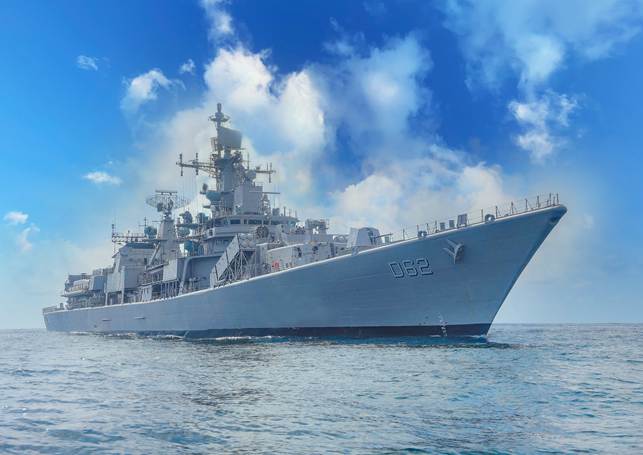
The Indian Navy safeguards India’s maritime interests. Since over 90% of India’s trade travels through the sea, the Navy plays a crucial role in economic and national security.
The Navy protects India from dangers coming through the sea.
Main Responsibilities
- Protecting coastlines and sea routes
- Preventing enemy ships and submarines
- Anti-piracy operations
- Humanitarian and evacuation missions
- Assisting friendly countries during crises
Where the Navy Operates?
- Oceans and seas
- Aircraft carriers and warships
- Submarines (including nuclear submarines)
- Island territories
Navy Career Branches
- Executive Branch – Command and operations
- Technical Branch – Engineering, weapons, IT
- Logistics Branch – Supply, planning, administration
Who Should Join the Navy?
- Those comfortable staying at sea for long periods
- Youth interested in engineering and technology
- Those seeking global exposure and adventure
Indian Air Force – Power in the Sky
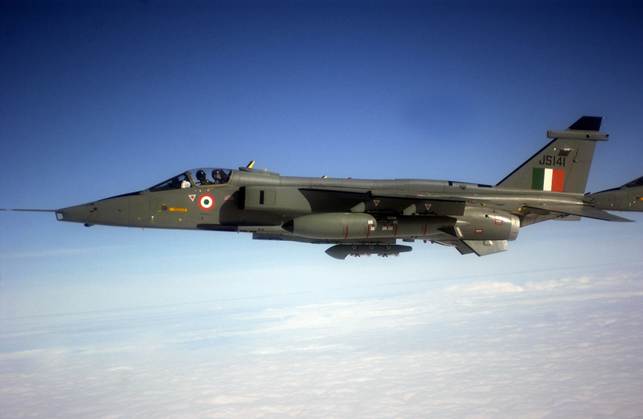
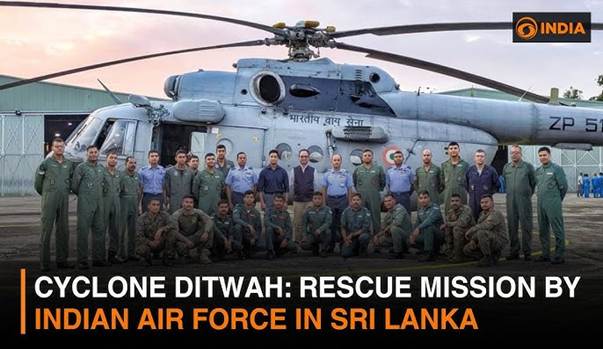
The Indian Air Force is responsible for protecting Indian airspace and supporting ground and naval forces during operations. The Air Force controls the sky and strikes enemies from above.
Main Responsibilities
- Protecting airspace
- Conducting air strikes
- Transporting troops and equipment
- Disaster rescue and relief operations
- Surveillance and intelligence gathering
Air Force Career Branches
- Flying Branch – Pilots and navigators
- Technical Branch – Aircraft and radar systems
- Ground Duty Branch – Administration, logistics, accounts
Common Misunderstanding
Many believe the Air Force is only for pilots. In reality, engineers, controllers, and planners form the majority of the force.
Who Should Join the Air Force?
- Youth interested in aviation and machines
- Those with strong science or analytical skills
- Those who like fast-paced, high-tech environments
Indian Coast Guard – Coastal Shield of India
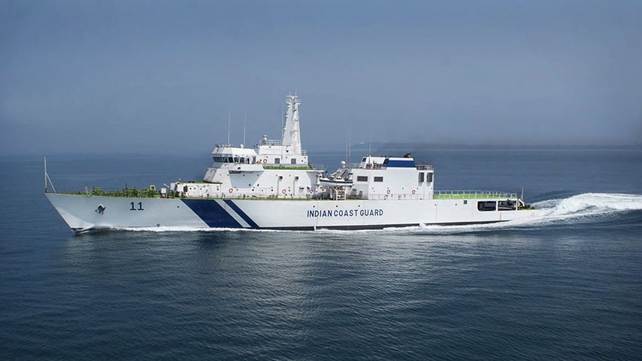
The Indian Coast Guard ensures safety and security in India’s coastal waters. It acts as a bridge between the Navy and civil authorities. The Coast Guard protects fishermen, coastal areas, and sea laws.
Main Responsibilities
- Coastal surveillance
- Anti-smuggling operations
- Search and rescue missions
- Environmental protection
- Maritime law enforcement
Difference Between Navy and Coast Guard
- Navy prepares for war
- Coast Guard focuses on safety, security, and rescue
Who Should Join the Coast Guard?
- Youth interested in law enforcement at sea
- Those who enjoy rescue and humanitarian missions
Special & Strategic Forces – Silent Warriors
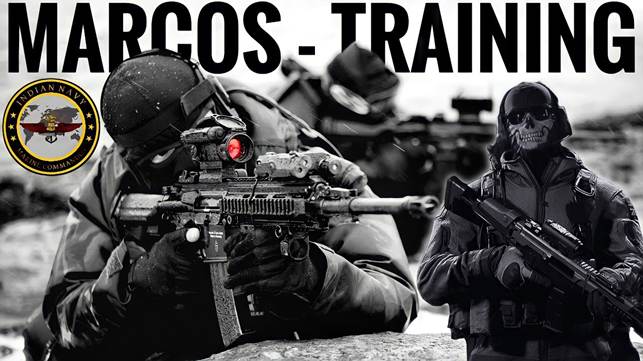
These forces handle high-risk, secret, and strategic missions. They do the toughest and most confidential jobs.
Examples
- Army Special Forces (Para SF)
- Navy MARCOS
- Air Force Garud Commandos
- Strategic missile and nuclear units
Who Can Join?
- Selected personnel from regular forces
- Extremely fit and mentally strong individuals
How All Military Branches Work Together
Modern defence operations are joint operations.
- Army controls land
- Air Force controls air
- Navy controls sea
- Coast Guard secures coasts
Success comes from coordination, communication, and unity.
Entry Routes into Military Branches
Officer Level
- NDA (After Class 12)
- CDS (After Graduation)
- AFCAT (Air Force)
- Technical & University Entries
Soldier / Sailor / Airman Level
- Army recruitment rallies
- Navy SSR / AA
- Air Force Group X & Y
Common Myths About Military Branches
Myth: Military life means only war
Reality: Training, peace duties, and disaster relief form a major part
Myth: Only men can join
Reality: Women serve as officers in all branches
Myth: Only fighters exist
Reality: Engineers, doctors, teachers, and managers are essential
Why Understanding Military Branches Is Important
Knowing the difference helps aspirants:
- Choose the right career path
- Prepare better for exams and interviews
- Build confidence during SSB and interviews
- Avoid confusion and misinformation
Conclusion.
Military service is not just a job—it is a way of life built on discipline, courage, and service. Each military branch plays an equal role in protecting the nation. Whether on land, sea, or sky, every soldier serves with pride.
Understanding the major military branches in simple words is the first step towards a meaningful defence career. The uniform may differ, but the mission is one: Service Before Self.
JAI HIND